
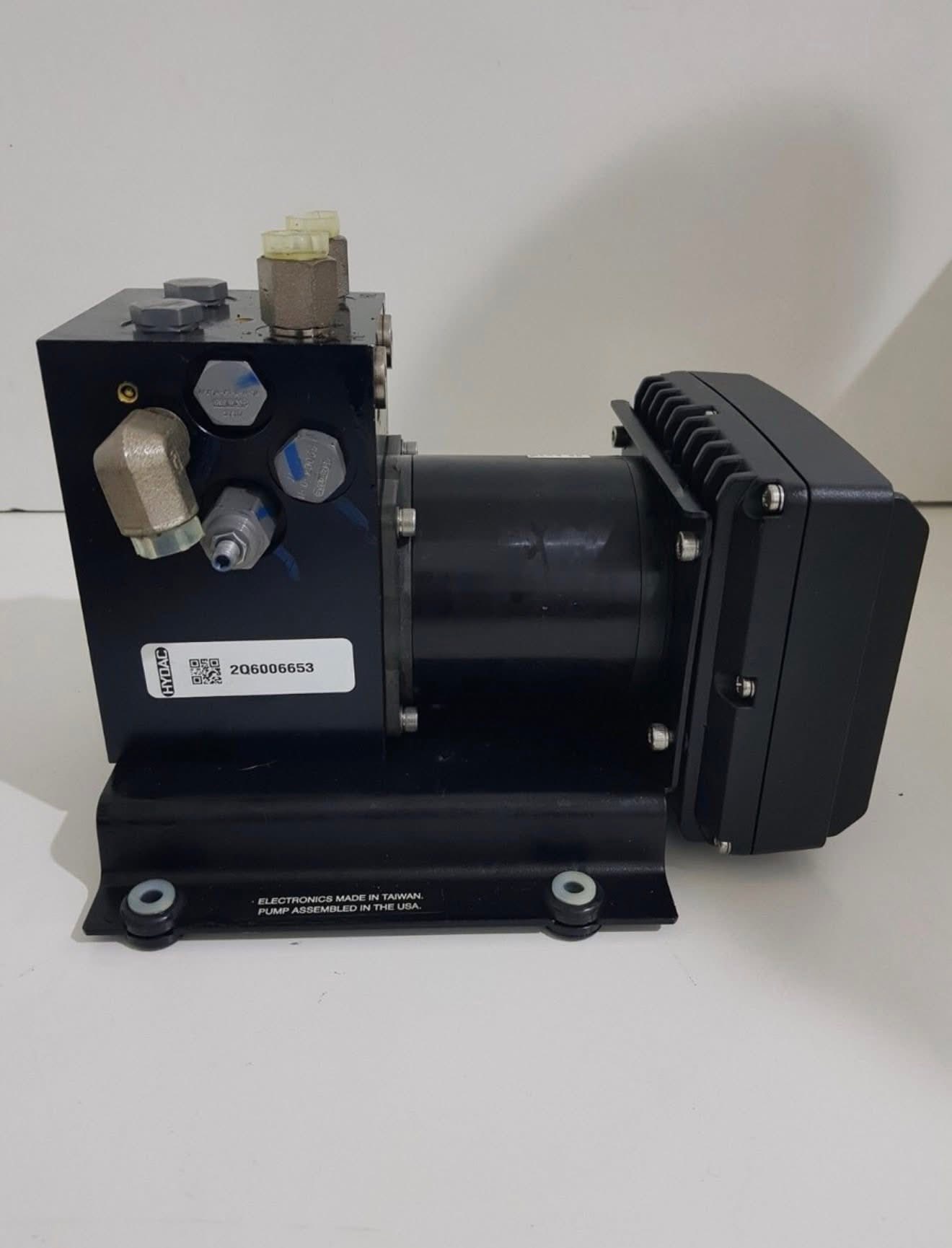
Garmin SmartPump V1 overview
Garmin SmartPump V1 overview.Modern aircraft autopilot systems rely on precise mechanical and electronic coordination to maintain stable flight. One critical component within certain Garmin autopilot architectures is the SmartPump V1 Autopilot Pump. Although not directly visible to the pilot during flight, this unit plays an essential role in translating autopilot commands into controlled movement.
This article explains the function, integration, and operational importance of the Garmin SmartPump V1 within compatible aircraft systems.
Garmin SmartPump V1 overview
The Role of an Autopilot Pump
An autopilot system automatically controls an aircraft’s flight path by adjusting control surfaces such as ailerons, elevators, and rudder. In aircraft equipped with hydraulic systems, these adjustments are achieved through hydraulic pressure rather than direct mechanical linkage alone.
An autopilot pump provides the hydraulic force required to move flight control surfaces in response to autopilot commands. When the pilot engages the autopilot, electronic signals are sent to servos and hydraulic components, which then produce smooth and measured control inputs.
The SmartPump V1 is designed to manage this hydraulic output efficiently and accurately.
Garmin SmartPump V1 overview
Hydraulic Integration in Autopilot Systems
In aircraft that use hydraulic assistance, the autopilot pump must deliver controlled pressure to ensure stable and precise control movements. Excessive or inconsistent pressure could result in abrupt control inputs, while insufficient pressure may prevent proper autopilot authority.
The SmartPump V1 is engineered to:
- Provide consistent hydraulic flow
- Respond proportionally to autopilot commands
- Maintain stable pressure levels
- Support smooth flight path corrections
This precision allows the autopilot to maintain altitude, heading, vertical speed, or navigation tracking with minimal deviation.
Garmin SmartPump V1 overview
Intelligent System Monitoring
One of the distinguishing characteristics of modern autopilot components is built-in monitoring capability. The SmartPump V1 incorporates intelligent control logic that works in coordination with Garmin’s integrated flight systems.
This monitoring can help ensure:
- Proper hydraulic output levels
- Detection of abnormal operating conditions
- Reliable engagement and disengagement behavior
- Seamless interaction with autopilot servos
By integrating electronic oversight with hydraulic control, the system enhances both performance consistency and operational safety.
Understanding the Garmin SmartPump V1 Autopilot Pump
Importance in IFR and Long-Duration Flights
Autopilot systems are particularly valuable during instrument flight operations (IFR), high-workload phases, and long cross-country flights. In such situations, precise autopilot performance reduces pilot workload and enhances situational awareness.
The autopilot pump contributes by:
- Enabling stable altitude hold
- Supporting accurate heading tracking
- Maintaining smooth course corrections
- Reducing oscillations or abrupt inputs
A stable hydraulic response ensures that autopilot corrections feel controlled rather than aggressive, which improves overall flight comfort and safety.
Understanding the Garmin SmartPump V1 Autopilot Pump
Electrical and Mechanical Coordination
Although hydraulic in function, the SmartPump V1 operates within a broader electronic system. It receives control inputs from the autopilot computer and must coordinate with servos, sensors, and flight displays.
This coordinated architecture ensures:
- Accurate response to navigation guidance
- Compatibility with integrated avionics systems
- Predictable control authority
- Proper disengagement when commanded
The pump’s ability to work seamlessly with other avionics components is essential for maintaining reliable autopilot behavior.
Understanding the Garmin SmartPump V1 Autopilot Pump
Installation and System Compatibility
As with all certified avionics components, installation of an autopilot pump must comply with approved technical data and aircraft certification standards. Proper installation ensures:
- Correct hydraulic line connections
- Secure mounting
- Electrical integration
- System calibration and testing
Because autopilot systems directly influence flight controls, installation and testing must be performed by qualified maintenance personnel in accordance with regulatory guidelines.
Understanding the Garmin SmartPump V1 Autopilot Pump
Maintenance and Inspection Considerations
Hydraulic components require careful inspection to ensure continued reliability. Maintenance procedures typically include:
- Checking for hydraulic leaks
- Verifying electrical connections
- Inspecting mounting integrity
- Conducting operational system tests
Routine system testing ensures the autopilot engages and responds correctly under both normal and simulated conditions.
Understanding the Garmin SmartPump V1 Autopilot Pump
Contribution to Modern Avionics Architecture
The SmartPump V1 reflects the broader shift toward integrated avionics ecosystems. Rather than isolated mechanical systems, modern autopilot components operate as part of interconnected digital architectures.
This integration supports:
- Enhanced flight guidance precision
- Improved system diagnostics
- Reduced mechanical complexity
- Streamlined cockpit operation
By combining hydraulic performance with electronic control logic, the SmartPump V1 represents the evolution of autopilot system design.
Operational Safety and Redundancy
Autopilot systems are designed with multiple safeguards to ensure that pilots can override or disengage the system instantly if needed. The autopilot pump must respond predictably during both engagement and disengagement.
Reliable hydraulic modulation supports:
- Smooth transitions between manual and autopilot control
- Immediate pilot override capability
- Stable flight control response
These safety considerations are fundamental to autopilot system certification and operational use.
Conclusion
The Garmin SmartPump V1 Autopilot Pump is a critical component within compatible Garmin autopilot systems. By delivering controlled hydraulic pressure in response to electronic autopilot commands, it enables smooth, precise, and stable flight control adjustments.
Although largely unseen by pilots during normal operations, the autopilot pump plays an essential role in reducing workload, enhancing flight path accuracy, and supporting safe aircraft operation. Understanding its function provides insight into how modern integrated autopilot systems achieve reliable and refined performance in today’s aviation environment.


No comment